2026 Boulder Mid-Year Market Check-In
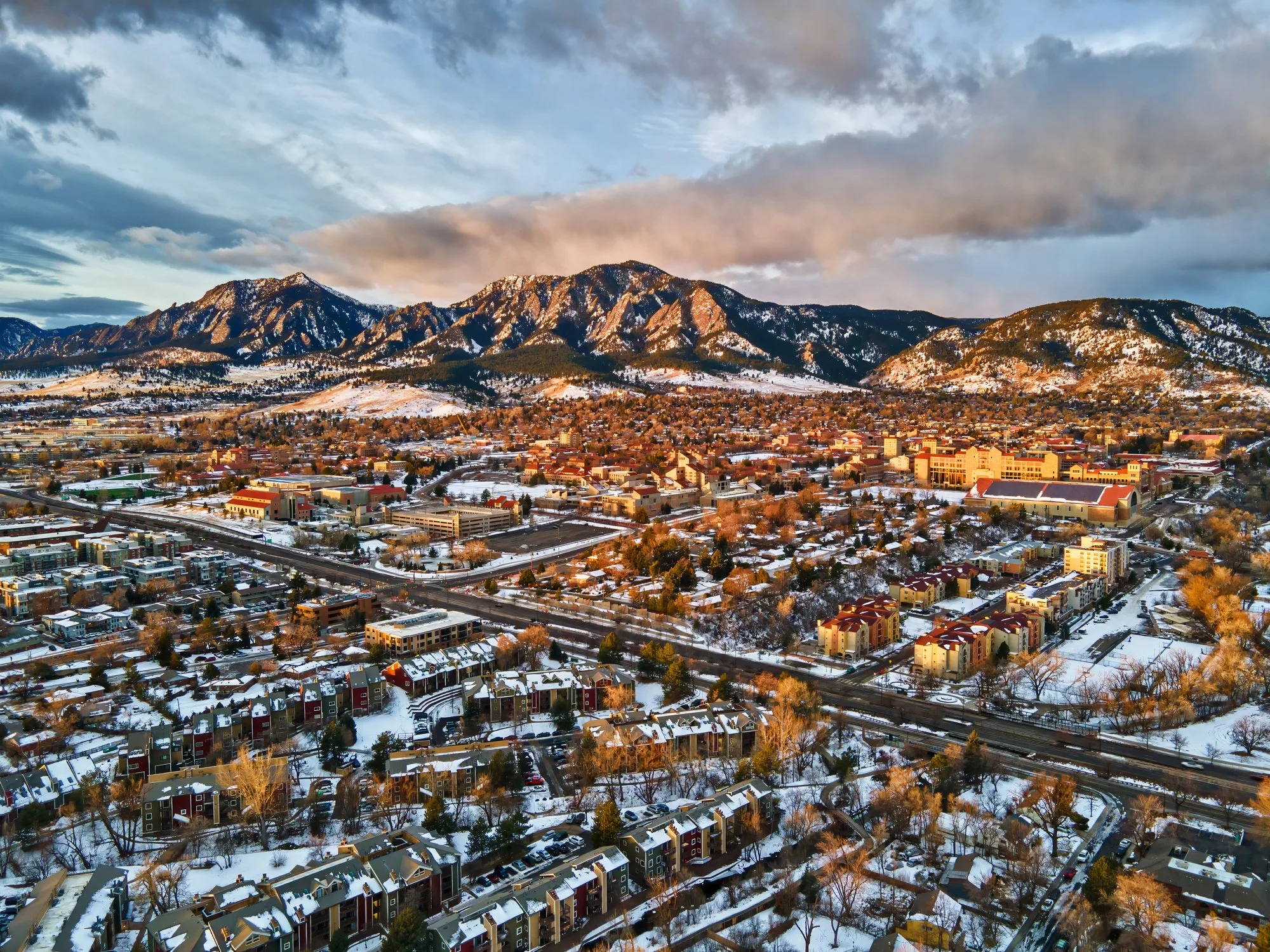
Boulder, Colorado
For the past two years, a lot of Boulder-area buyers have been waiting on the housing market to do one specific thing: drop rates dramatically and "unfreeze." That was the plan for buyers and sellers alike. I'll move when rates come down.
That big drop never fully arrived. And the market changed anyway.
It didn't unfreeze. It thawed — slowly. Halfway through 2026, buyers generally have more time to decide, and more room to negotiate than they've had in years. Sellers are adjusting to a slower, more selective market. It's not a perfectly balanced market everywhere. And while Boulder is certainly not a buyer’s market, the days when every desirable home automatically attracted multiple offers are behind us.
Nobody rings a bell when a market becomes more negotiable. Booms and crashes make headlines; a market quietly returning to normal doesn't. So, consider this your mid-year bell: here's what the first half of 2026 tells us.
More Homes, More Time, More Conversation
Start with what changed. There are meaningfully more homes on the market than during the low-inventory years: about 1.56 million listings nationally as of June, or 4.6 months of supply.¹ That's not a glut, and the growth has been leveling off as some would-be sellers step back rather than chase the market. But for buyers who spent years picking from slim inventory, it's a real difference.
Boulder is its own market, of course, but the broader trend is important: buyers have more choices and sellers have to compete for attention. That competition isn’t always about who has the lowest price, but the best combination of price, condition, location and terms. For Boulder buyers, that can create opportunities that simply weren’t available a few years ago. In addition, keep in mind that the supply of condos and townhomes has increased significantly over that of single-family homes.
The bigger shift is in how deals come together. This is where Harvey’s skills as a negotiator come into play. Nearly half of sellers, 46% in May, gave buyers some form of concession, a record for that month.² Price reductions are far more common than they were during the frenzy. For buyers, that's a signal of how negotiable this market is, not necessarily a problem with the home. Inspections, repairs, closing costs, timing: these are conversations again, not sacrifices you make to win a bidding war.
More negotiation doesn't mean buyers control the market. A well-priced home in a tight area can still sell fast, sometimes with competition.
What it means for you: if you're buying, the list price is no longer the whole conversation. A reduced price is often an invitation to look closer, not a reason to stay away. If you're selling, the lesson runs the other way: strategy matters more than optimism. The goal is to price right on day one so you never need the cut. Homes that reduce are usually correcting a pricing decision the market already voted on.
The Second Half Belongs to the Prepared
That's the mid-year picture: more choice, steadier rates, more negotiation, and conditions that are sharply local. For the first time in a while, this is a market you can plan in rather than react to.
If you're wondering what this market means for your specific situation, reach out. Whether you're thinking about buying, selling, or just want to know where your home stands, that's exactly the kind of conversation I'm happy to have, no pressure attached.
Sources
1. Existing-Home Sales Report, June 2026 — National Association of REALTORS®
2. 46% of Home Sellers Gave Concessions to Buyers in May — Redfin